House Insurance
What is house insurance?
House insurance (or house insurance) protects you from insured events that damage your house or your belongings. If your house is damaged or destroyed in a fire for example, then having the right insurance could mean the insurance provider will pay to replace your belongings and repair or rebuild your house.
House insurance is made up of buildings insurance and contents insurance, which can be bought separately or together from the same provider.
What do I need to run a house insurance quote?
There are two types of house insurance: buildings insurance covers damage to the fabric of your property, including fixtures and fittings, while contents insurance covers your belongings. You can compare house insurance prices for both buildings and contents cover with MoneySuperMarket, so you can protect your house against fire, flooding, storm damage and theft.
When applying for house contents and buildings insurance, you will need the following information:
Details about your property
- ☂ Your address and property type (eg semi-detached or terraced)
- ☂ Number of rooms
- ☂ When your house was built
- ☂ What percentage of the roof is flat (we′ll help you work this out)
- ☂ Number of occupants and when they tend to be house
Rebuilding cost and value of contents
- ☂Based on your postcode, we′ll suggest a figure for the cost
Features and Benefits of House Insurance:
Subscribing to a comprehensive house insurance policy allows you to enjoy the features and benefits, following
- ☂ Complete coverage against financial liabilities arising from the damage/loss of your house and/or its contents due to natural or man-made reasons.
- ☂ Thoughtful additional covers including Burglary and Theft Cover, Earthquake Cover, etc. for specialized protection.
- ☂ 100% mental peace when there is a solid security to fall back on, especially in these times of social strife and environmental upheavals.
- ☂Applying for a house insurance policy is simple, the turnaround times are quick and almost all banks in India offer this very dynamic product.
- ☂After the calamity that resulted in the damage/loss of your house, the on-time house insurance payouts will massively assist in helping the family put their lives back together. A big relief in such a trying time.
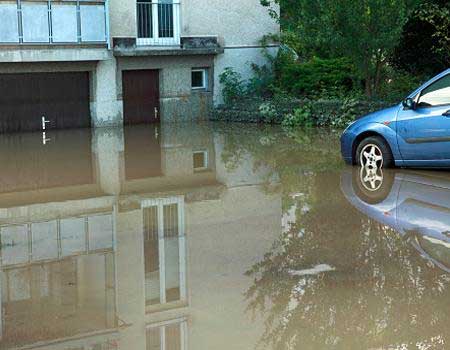
If your house floods, contact your insurance provider
Contacting your insurance provider sooner rather than later could speed up the process of getting things back in order. They could even find you somewhere to stay while your house is being repaired. It′s also a good idea to talk to your local authority, who may give you information about any available help.
Frequently asked questions
It will typically protect your house and your possessions inside it against theft and damage due to fire, flood, storms, subsidence, burst pipes and water leaks.
- ☂ Insuring your house against fire damage
- ☂ House insurance in high-risk flood areas
- ☂ Weather and storm damage insurance cover
- ☂ Insurance for subsidence
- ☂ Buildings insurance covers the physical structure of your property, which includes the roof, walls and floors.
- ☂ Contents insurance covers the items inside your house, such as your furniture and clothes.
Buildings insurance also includes any permanent fixtures and fittings, such as your kitchen and fitted wardrobes. Outside structures, like fences, garages and sheds are usually covered too, as are pipes, cables and drains connected to your house (provided they′re your legal responsibility).
Contents insurance covers anything within your house that you could remove and take with you to another property – so your clothes, furniture, fridge and television (carpets are also usually included). There are some exceptions to this rule, so always check what′s included in the definition of ‘contents′ in your policy booklet.
Neither buildings insurance nor contents insurance are a legal requirement. On the other hand, it′s always advisable to have both. It means you have protection for your property and belongings in case something unexpected happens.
If you own your house and have a mortgage, then your mortgage provider may insist you have buildings insurance in place for the length of your mortgage. You can buy this insurance from any provider, not just your mortgage provider.
Buildings or contents insurance – or both? It′s essential to have the right type of house insurance for your particular situation, so here are the basics in a nutshell.
If you own your own house, you′re responsible for both buildings and contents insurance. Like we said earlier, it′s advisable to have both.
If you′re renting, then buildings insurance is usually the responsibility of your landlord, but it′s advisable to have contents insurance to protect your personal belongings.
If you′re a landlord you′re responsible for buildings insurance to cover the property you own and rent out. If you rent out a furnished property, you can also take out contents insurance to cover your belongings against damage or theft.
If you have a holiday house, both buildings and contents insurance can be more expensive than regular house insurance. This is because holiday houses are often left unoccupied, meaning problems like a burst pipe might go undetected for longer and cause more damage.
50% of people could achieve a quote of £136.34*** per year for their buildings and contents house insurance based on Compare the Market data in September 2018. The average price of buildings insurance for a year is £100.80***, while the average annual premium for contents insurance is £69.13***.
The easiest way to find the right level of cover for you at a price you can afford is to use our house insurance comparison service.
There are several simple things you could consider to help cut your house insurance costs:
- ☂ check you have the right amount of insurance
- ☂ look at combining buildings and contents insurance into one policy
- ☂ increase your voluntary excess
- ☂ build up your no claims bonus
- ☂ install a security system
When you start a house insurance quote with us, it′s a good idea to have some basic information about your property, including:
- ☂ your current house insurance policy documents
- ☂ details about your property
- ☂ the rebuild value of your house, but don't worry we help you with this. You can find out more in How do I calculate the rebuild cost of my house?
- ☂ the level of cover you need.
We′ll ask you questions to make sure we have all the information we need to provide you with a list of suitable quotes. The list will also show you optional extras you might want to consider, such as accidental damage insurance.